A small leak can feel harmless. It’s just a drip under the sink or a damp spot near a toilet, so it’s easy to ignore. But plumbing leaks don’t stay small for long. Over time, water keeps moving, pressure keeps pushing, and materials keep weakening. Before you know it, that “minor” leak can lead to damaged cabinets, warped floors, mold growth, and higher utility bills. Even worse, leaks can quietly rot wood and weaken drywall until repairs become expensive and messy.
- A steady drip seems slow, but it adds up daily
- Moisture spreads farther than you can see
- Many leaks hide behind walls or under flooring
Leaks Waste More Water
One of the quickest ways a leak costs money is through wasted water. A faucet drip or a leaking supply line can run 24/7, even when nobody is home. Over weeks and months, that wasted water can seriously raise your bill. Some leaks are silent too, like a running toilet, where water slips into the bowl without you noticing. Many households discover the issue only after a surprising statement arrives.
- A small drip can waste many gallons each day
- Toilets are one of the most common hidden water wasters
- A sudden bill spike is often a leak warning
Your Water Bill Creeps Up
Leaks rarely cause one big bill right away. More often, they create a steady climb in monthly costs. That slow increase makes it easy to blame weather, guests, laundry, or “normal rate changes.” But if your water use habits haven’t changed, the math matters. Checking your water meter can help: when all water is off, the meter should not move. If it does, water is escaping somewhere.
- Compare current bills to the same month last year
- Watch for “usage” rising without a clear reason
- A moving meter with taps off is a red flag
Hidden Damage Behind Walls
Water always follows gravity and the easiest path. That means a small leak can travel inside wall cavities, under baseboards, and through subfloors long before you see a stain. By the time paint bubbles or drywall softens, moisture may already be widespread. This is where costs jump fast, because the repair becomes more than a pipe fix—it turns into wall removal, drying, and rebuilding.
- Drywall can absorb water and lose strength
- Wood framing can swell and weaken over time
- Water can spread and show up far from the source
Mold Loves Small Leaks
Mold doesn’t need a flood. It needs moisture, a food source like wood or paper, and time. A slow leak under a sink or behind a shower wall can create the perfect environment. Mold can start growing within 24–48 hours when materials stay wet. Once it spreads, cleanup can be costly because affected areas may need to be cut out and replaced. Even if you don’t see mold, a musty smell can be a clue.
- Damp cabinets and drywall feed mold growth
- Musty odors often point to trapped moisture
- Early leak repair helps stop long-term buildup
Floors, Cabinets, and Rot
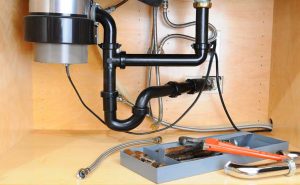
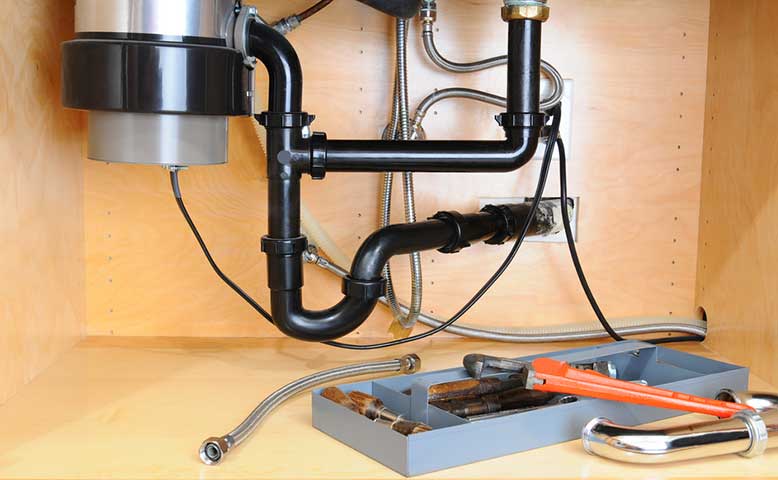
Wood and water don’t mix. Kitchen and bathroom cabinets are especially at risk because leaks often happen at shutoff valves, supply hoses, and drain traps. The bottom panel of a cabinet can soften and sag, and then the sides start to separate. On floors, moisture can warp laminate, loosen tile, and cause grout lines to crack. Over time, wood rot can set in, and rotten material won’t hold screws or support weight safely.
- Cabinet bases often fail first.
- Flooring can lift, buckle, or stain.
- Rot spreads when moisture stays trapped.
Small Leaks Become Big Breaks
A leak is often a sign that a part is already wearing out. Rubber washers harden, supply lines weaken, and fittings loosen with temperature changes and water pressure. If ignored, the weak point can fail fully. That’s when a small drip becomes a burst hose or a cracked pipe, releasing a lot of water quickly. Fast water release can soak walls, furniture, and flooring in minutes.
- Worn hoses and valves can fail suddenly
- Water pressure stresses weak connections
- Early repair is cheaper than emergency cleanup
Pressure And Pipe Stress
Most homes rely on steady water pressure to move water through the system. When pressure is too high, it strains fixtures, valves, and pipe joints. A small leak may show up where pressure is stressing a weak point. Sometimes a homeowner “tightens” a fitting and thinks the problem is solved, but over-tightening can damage threads or crack plastic parts. A plumber can check pressure and install a pressure regulator if needed.
- Normal household pressure is often around 40–60 psi
- High pressure can shorten fixture life
- Correct repairs protect joints and seals
Leaks Can Harm Foundations
Some of the most expensive leak problems happen when water escapes under the home. A slab leak or underground line issue can wash away soil and create settling. Over time, that can cause cracks in walls, uneven flooring, or sticking doors. Even if the leak is not dramatic, the constant moisture changes the ground conditions around the structure. Catching these problems early can prevent much bigger repairs later.
- Constant moisture can shift soil support.
- Cracks and floor changes can follow.
- Early detection protects the structure long-term.
Insurance May Not Cover It
Many homeowners assume insurance will handle water damage. Sometimes it does, but coverage often depends on whether the damage was sudden or due to long-term neglect. A slow leak that continues for months can be treated differently from a pipe that bursts unexpectedly. That means ignoring a known drip can leave you paying out of pocket for repairs, drying, and replacement materials. Documenting repairs and acting fast helps protect your home and your finances.
- Slow leaks can be viewed as preventable damage
- Quick action supports stronger claim results
- Fixing early helps avoid disputes and delays
Early Fixes Save Money
The best part about small leaks is that they are usually simpler to fix when caught early. Replacing a worn fill valve, tightening or replacing a trap, swapping a damaged supply line, or resealing a fixture can stop the waste and prevent damage. Even better, routine checks can spot trouble before it spreads. Look under sinks, behind toilets, around the water heater, and near washing machines.
- Inspect cabinets for dampness or staining.
- Listen for toilets refilling when not used
- Replace old hoses before they crack or bulge
Don’t Wait for a Flood Ignoring small plumbing leaks is like ignoring smoke because you don’t see flames yet. Water damage builds quietly, then shows up when the repair is no longer small. A simple drip can lead to mold, ruined cabinets, warped floors, and costly wall repairs. It can also raise water bills month after month and, in some cases, contribute to structural trouble. If you notice moisture, stains, musty smells, or a higher bill, it’s time to act. Call Knight Plumbing to get the leak fixed before it turns into a costly repair.