Plumbing upgrades can do more than stop leaks—they can raise comfort, lower monthly bills, and help your home show better when it’s time to sell. Buyers notice water pressure, fixture quality, and signs of past water damage fast. Even if you’re not selling soon, updates that improve efficiency and reliability often pay you back through fewer repairs and steadier utility costs. Think of plumbing value in three ways: daily use, long-term durability, and buyer confidence.
- Small leaks can waste a surprising amount of water over time
- Efficient fixtures can cut use without feeling “weak.”
- Modern shutoff options reduce risk during emergencies
Pick upgrades that match how you live now and what future buyers expect in your area.
High-Efficiency Toilet Upgrade
Toilets are one of the simplest “value adds” because buyers see them, use them, and judge them. Older toilets can use 3.5 to 7 gallons per flush, while many modern models use about 1.28 gallons per flush. That difference adds up fast in a busy household. If a home has multiple bathrooms, upgrading all toilets can show a clear efficiency win during a showing. A plumber can also confirm proper venting and a solid wax ring seal to prevent hidden leaks at the base.
- Look for consistent flush power, not repeated flushing
- Check for a stable bowl with no rocking
- Verify the tank fills quietly and stops cleanly
A clean install matters: wobble, slow fill, or weak flushing can turn a “new” toilet into a red flag.
Water-Saving Faucet Refresh
Kitchen and bathroom faucets are like “handshake moments” for a house—buyers touch them right away. Swapping old, dripping, or low-pressure faucets can improve daily convenience and reduce waste. Many modern faucets have flow rates around 1.5 gallons per minute (gpm) or less, compared to older models that may run 2.2 gpm or higher. This can reduce water use while still feeling strong when paired with a good aerator design. A proper install also includes checking supply lines, shutoff valves, and steady mounting.
- Replace brittle braided supply lines during the upgrade
- Test hot/cold mixing for smooth temperature changes
- Check under-sink connections for slow seepage
A small drip may feel minor, but buyers often read it as “this home wasn’t maintained.”
Showerheads Buyers Notice
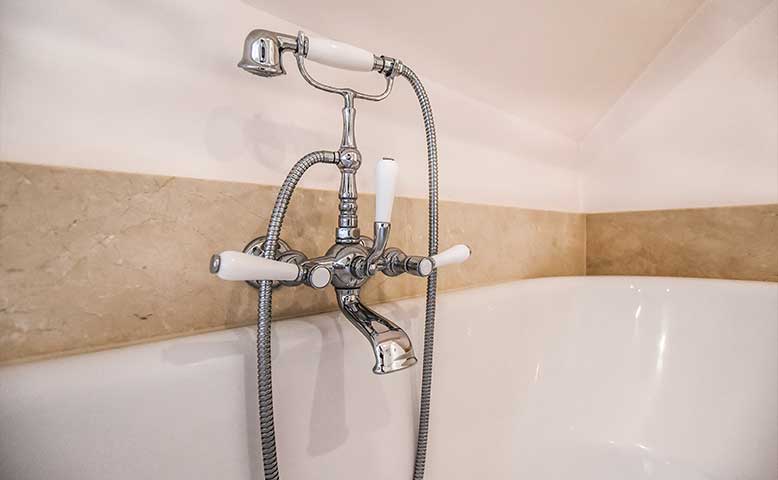
A shower that feels weak can make an otherwise great bathroom feel disappointing. Upgrading showerheads can improve spray comfort while keeping water use controlled. Many efficient showerheads are rated at 2.0 gpm or less, and a better internal design can keep the pressure feeling steady. The real value comes from pairing the showerhead upgrade with smart checks: confirm the shower arm isn’t corroded, the escutcheon plate is sealed, and the mixing valve operates smoothly. If your shower temperature swings, buyers will notice.
- Look for mineral buildup on old heads and arms
- Test for “pressure drop” when another tap turns on
- Check for moisture stains on the ceiling below the bathrooms
A shower upgrade is quick, but the best payoff comes when the whole setup works consistently.
Water Heater Replacement Wins
Water heaters matter to buyers because they affect comfort and running costs. Many tank-style water heaters last around 8–12 years, and older units can become less efficient and more leak-prone. Replacing a tired heater before it fails helps prevent costly water damage and gives buyers confidence. Newer models often have better insulation and improved controls. Choosing the right size also matters: an undersized tank can cause “cold shower” complaints, while an oversized one can waste energy.
- Check the unit’s age on the serial number label
- Inspect for rust, pooling water, or a popping sound
- Make sure the temperature-pressure relief valve is present
A new water heater isn’t flashy, but it’s one of those upgrades that makes a listing feel safer and more dependable.
Tankless For Long-Term Savings
Tankless water heaters can add value when they fit your household’s needs and your home’s setup. Instead of storing hot water, they heat it as you use it, which can reduce standby heat loss. Many owners like that they don’t “run out” the same way a tank can, within the unit’s flow limits. Installation quality is key: gas units may need proper venting, and both gas and electric models must be sized to demand. If the unit is too small, you’ll get temperature drops during simultaneous use.
- Confirm gas line capacity or electrical service readiness
- Ask about descaling needs in hard-water areas
- Check flow rate ratings for your household routines
When installed correctly, tankless can be a strong selling point—especially for buyers who care about efficiency.
Pressure Regulator for Protection
High water pressure feels nice until it damages your plumbing. Many fixtures and appliances are designed for a safe range, often around 40–80 psi. If your pressure runs too high, it can stress supply lines, valves, and water heater components, raising the chance of leaks. Adding or replacing a pressure-reducing valve (PRV) can protect your system and smooth out pressure swings. This upgrade isn’t obvious like a new faucet, but it helps prevent the kinds of problems that show up during inspections.
- Signs include banging pipes, short fixture life, or frequent leaks
- A gauge test can confirm pressure levels in minutes
- Pair with a working expansion tank when needed
Protection upgrades build value by reducing “inspection surprises” that can derail a sale.
Whole-Home Shutoff Upgrade
A fast shutoff option can be a quiet value booster because it reduces risk. Traditional manual shutoff valves can be hard to turn if they’re old or corroded. Upgrading to a reliable quarter-turn main shutoff makes emergencies easier to handle. Some homeowners also choose smart leak shutoff systems that can detect unusual flow and stop water automatically, which can be appealing to buyers who worry about water damage. The key is correct installation and placement, plus clear labeling.
- Confirm the main shutoff is easy to reach
- Replace old gate valves that stick or don’t fully close
- Label shutoffs for sinks, toilets, and appliances
When buyers hear “easy emergency shutoff,” they picture fewer headaches—and that confidence can translate to higher perceived value.
Drain Updates Prevent Red Flags
Slow drains and recurring clogs can make a home feel “problematic,” even if the fix is simple. Upgrading old drain parts—like corroded traps, worn slip joints, or poorly pitched sections—can improve flow and reduce odors. If your home has older materials that build up scale inside, a professional inspection can reveal whether cleaning, repair, or partial replacement makes sense. In many areas, kitchens and laundry lines take the most abuse due to grease, lint, and soap buildup.
- Watch for gurgling sounds that hint at venting issues
- Check for sewer odors under sinks or near floor drains
- Consider a camera inspection if clogs keep returning
A clean, smooth drain system helps inspections go better and prevents buyers from imagining worst-case sewer problems.
Kitchen Garbage Disposal Upgrade
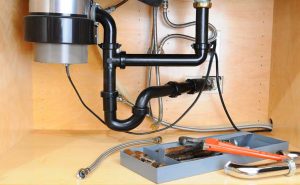
A modern garbage disposal can make the kitchen feel more functional, and it’s a relatively affordable upgrade. Newer units can be quieter and better at grinding food scraps, which helps reduce clogs when used correctly. The value comes from pairing the unit with a proper drain setup and ensuring the dishwasher connection is secure and leak-free. A sloppy install under the sink—drips, loose wiring, or a wobbly mount—can scare buyers more than it helps.
- Choose the right horsepower for how often you cook
- Make sure the unit has a reset button that’s accessible
- Check that the discharge line has no leaks or strain
A tidy under-sink setup is part of the “value story” because it signals professional care and reduces buyer anxiety.
Pipe Material Upgrades Matter
Buyers may not see your pipes, but inspectors will, and certain older pipe materials can raise questions. Replacing aging or failure-prone sections can improve reliability and reduce leak risk. Pipe upgrades can also improve water pressure if old lines have internal buildup. The best approach is targeted: identify problem areas (like repeated leaks, visible corrosion, or low flow) and fix them the right way. A pro can also confirm proper pipe sizing and secure supports to reduce vibration and noise.
- Look for green staining on copper joints or rust on galvanized pipe
- Watch for frequent pinhole leaks or discolored water
- Check exposed piping under sinks and at the water heater
When you can show that pipes were updated thoughtfully, buyers often feel more comfortable paying a premium.
Value-Focused Final Takeaway The best plumbing upgrades are the ones that buyers can feel right away and trust long after closing—steady hot water, strong drainage, good pressure, and clean-looking fixtures. Focus on updates that lower risk and improve daily comfort, because those are easy for buyers to understand during a walkthrough. Keep receipts, note installation dates, and fix small issues before they grow into inspection problems. If you want help choosing upgrades that fit your home and budget, reach out to Knight Plumbing.